Environmental Chemical Engineering: Solving Tomorrow’s Pollution Problems
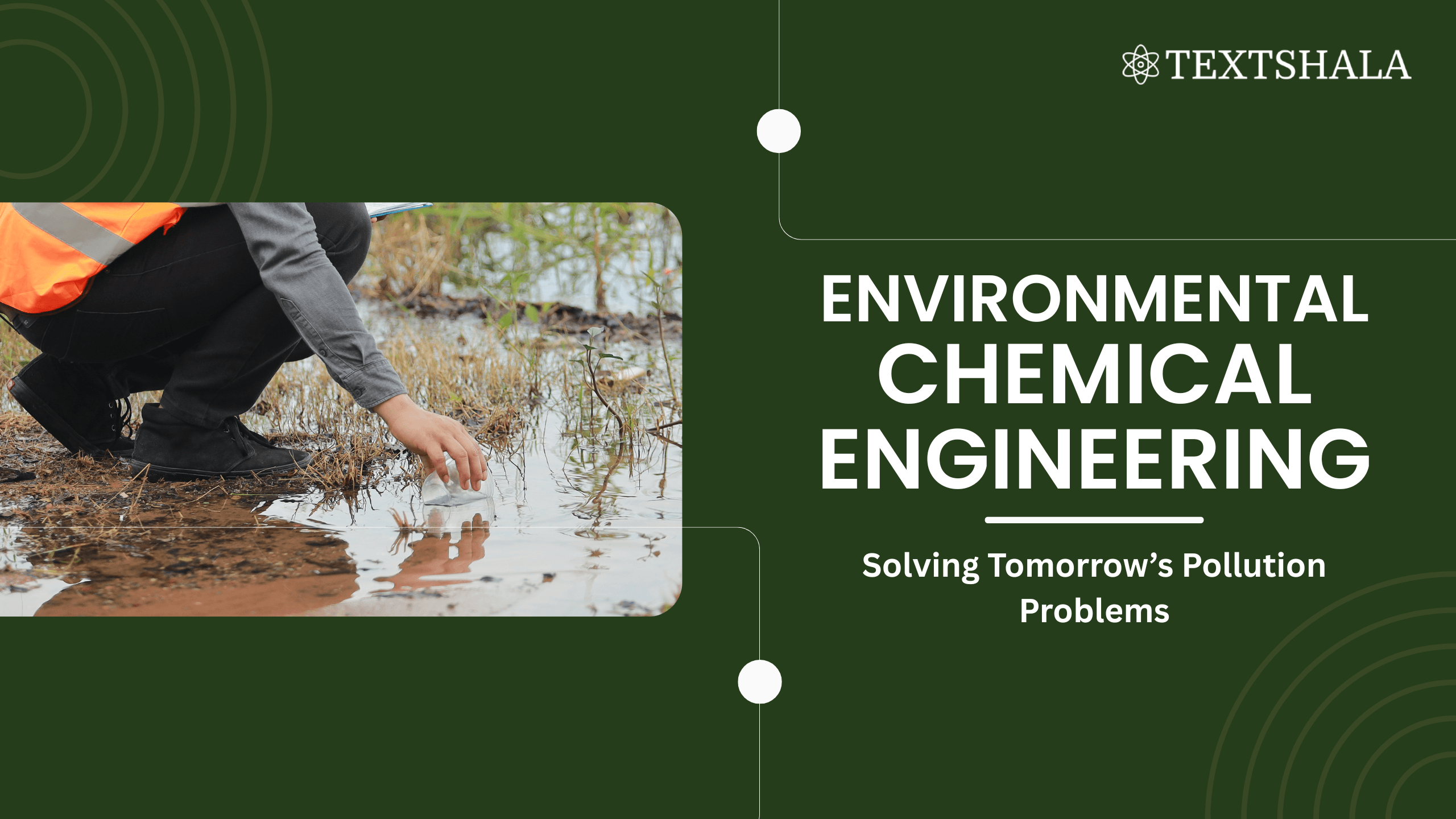
From rising air pollution to contaminated rivers and toxic industrial waste, the planet is under increasing environmental stress. Industries today face the dual challenge of boosting production while reducing ecological harm. This is where environmental chemical engineering steps in, the hybrid discipline that merges traditional chemical engineering with sustainable environmental practices.
As industries move toward cleaner technologies, the demand for experts who can design eco-friendly systems has never been greater. Environmental chemical engineering is shaping the future of pollution control, waste treatment, and green manufacturing.
What is Environmental Chemical Engineering?
Environmental chemical engineering is a specialized branch of chemical engineering that focuses on developing technologies to minimize pollution and environmental impact. It integrates chemical process design with environmental science to create sustainable solutions for air, water, and soil management.
Professionals in this field analyze industrial emissions, design treatment systems, and ensure compliance with global environmental standards. In essence, environmental chemical engineers make industries cleaner and safer without compromising productivity.
Role of a Chemical Process Engineer in Environmental Engineering
A chemical process engineer plays a crucial role in designing sustainable industrial operations. These engineers help industries transition toward greener processes by:
- Designing low-emission manufacturing systems that reduce pollutants.
- Developing scrubbers, catalytic converters, and advanced filtration systems to capture harmful gases and particles.
- Creating energy-efficient chemical reactors and recovery systems that minimize waste.
- Implementing waste heat recovery and water reuse technologies to conserve resources.
Through these innovations, a chemical process engineer becomes the driving force behind environmentally responsible production.
Key Areas of Application
The scope of environmental chemical engineering spans multiple critical areas:
- Air Pollution Control: Designing industrial exhaust scrubbers, carbon capture units, and catalytic oxidation systems to cut emissions.
- Water Treatment: Using membrane filtration, reverse osmosis, and advanced oxidation processes to purify industrial effluents and achieve zero-liquid discharge.
- Soil Remediation: Employing bioremediation and chemical stabilization to detoxify contaminated land.
- Green Energy: Supporting innovations in biofuel synthesis, hydrogen production, and energy-efficient reactor design for cleaner power generation.
Each of these applications demonstrates how environmental chemical engineering directly contributes to global sustainability efforts.
Environmental Laws & Compliance
To safeguard the planet, industries must follow strict environmental laws. Major global and Indian frameworks include the U.S. Environmental Protection Agency (EPA) guidelines, India’s Central Pollution Control Board (CPCB) norms, and ISO 14001 certification standards.
Chemical engineers and process designers play a vital role in helping companies comply with these regulations through process optimization, emission reduction, and eco-friendly waste management systems.
Tools & Technologies Used
Modern environmental chemical engineering relies heavily on simulation and analytical tools, including:
- Aspen Plus, COMSOL Multiphysics, and MATLAB for process modeling and optimization.
- IoT-based sensors for real-time air and water quality monitoring.
- Life Cycle Assessment (LCA) and carbon footprint analysis tools to evaluate the sustainability of industrial processes.
These technologies allow engineers to predict environmental impact, improve system efficiency, and make data-driven decisions for cleaner operations.
Career Scope & Job Roles
The global shift toward sustainability has opened diverse job opportunities for professionals in this field.
Top career roles include:
- Environmental Chemical Engineer – designing and implementing eco-friendly process systems.
- Chemical Process Engineer – leading green manufacturing transitions in refineries and chemical plants.
- Sustainability Analyst – assessing carbon footprints and developing climate-neutral strategies.
- Waste Management Consultant – optimizing recycling and treatment systems.
Industries hiring: Oil & Gas (green reformulation), Water Utilities, FMCG (zero-waste initiatives), Specialty Chemicals, and Government R&D organizations.
A chemical process engineer with a sustainability mindset is highly valued across these domains.
Academic Path to Become an Environmental Chemical Engineer
To pursue this rewarding career, students can take several academic routes:
- B.Tech/M.Tech in Chemical Engineering with a specialization or electives in environmental studies.
- M.Sc in Environmental Engineering focusing on pollution control and resource recovery.
Essential skills include reaction engineering, environmental modeling, fluid mechanics, and sustainability assessment. Strong analytical thinking and a passion for solving global environmental challenges are key assets.
Future Outlook: 2025 and Beyond
As the world embraces Net Zero 2070 goals and the circular economy, environmental chemical engineering will play a central role in transforming how industries operate. Governments and corporations are investing heavily in carbon-neutral manufacturing, renewable fuels, and waste-to-energy technologies.
This shift ensures a rising demand for engineers who combine technical expertise with sustainable innovation. For young engineers, environmental chemical engineering represents not just a career but a mission toward a cleaner planet.
Final Thoughts
In today’s rapidly industrializing world, environmental chemical engineering is no longer optional, it’s essential. It offers the perfect balance of technical challenge and environmental purpose, making it one of the most impactful engineering careers of the future.
If you aspire to design solutions that protect the Earth while advancing industry, this is your path.
Explore the top environmental engineering colleges, degree programs, and subject guides at TextShala to begin your journey toward a sustainable engineering career.
FAQs
Q1. What is environmental chemical engineering?
It’s a specialized field of chemical engineering that designs and optimizes industrial processes to minimize pollution, manage waste, and conserve resources.
Q2. Is it different from traditional chemical engineering?
Yes. While traditional chemical engineering focuses on manufacturing and process optimization, environmental chemical engineering emphasizes sustainability, emission control, and resource recovery.
Q3. Can a chemical process engineer switch to environmental roles?
Absolutely. With additional knowledge in pollution control and sustainability, a chemical process engineer can easily transition into green manufacturing or environmental consultancy roles.
Q4. Which companies hire for this domain?
Major employers include ONGC, Shell, Reliance, Tata Chemicals, GAIL, water treatment firms, and global consultancies working on sustainable technologies.
Q5. Is this field future-proof?
Yes. With increasing environmental regulations and global climate commitments, environmental chemical engineering is among the fastest-growing and most future-relevant engineering disciplines.